
Sep 2nd 2026
How to Care for Nursing Caps and Uniform Accessories to Make Them Last
Executive Summary: Nursing caps and uniform accessories last far longer with simple washing, starching, and storage habits. Proper cleaning, gentle drying, and cool, dry storage protect fabric and shape, helping caps, collars, and pins stay sharp for years of daily wear.
A nursing cap has one job when it is on duty: look crisp. Its second job, apparently, is surviving everything that happens in the laundry room. Heat, detergent, water, starch, folding, and storage can all affect its condition over time. Uniform accessories face their own miniature battles, with badges collecting tarnish and pins finding inventive ways to damage fabric.
None of this means these pieces need delicate handling at every moment. They need the right kind of care at the right time. This nursing cap care guide covers practical, easy steps for keeping caps and accessories looking sharp for as long as possible.
Why Does Nursing Cap Care Matter?
Nursing cap maintenance involves simple steps that keep a cap clean, crisp, and properly shaped. Traditional nurse's caps were often made with cotton or organdy, fabrics that respond well to gentle washing and old-fashioned starch. Understanding the fabric first makes each care step easier to follow.
Good cap care protects more than the fabric. Nursing caps have long carried symbolic meaning in the profession, making their careful folding, starching, and storage a point of pride for generations. That attention still matters today, even for nurses who wear their caps mainly for pinning ceremonies or special occasions.
How to Care for Nursing Caps
The right cleaning routine keeps a cap's shape and color intact for years.
- Washing and Spot Cleaning
Repeated washing can affect cotton's strength and appearance, making gentler cleaning a better choice for regular care. Gently treat small marks with mild soap and a damp cloth, and wash the entire cap only when deeper cleaning is needed.
- Starching for a Crisp Finish
A simple starch solution made from cornstarch and warm water gives a cap its familiar crisp look. Spread the mixture evenly over the fabric after washing, working it into every fold and corner. Let the cap dry in the sun to help the starch set into a smooth, stiff finish.
- Ironing Without Damage
Once the cap is dry and stiff, a low-heat iron smooths out any remaining wrinkles. Putting a thin cloth over the fabric creates a protective barrier against direct heat, helping shield delicate seams and trims. Folding the cap into shape while it is still slightly warm makes the final form hold much better.
- Drying Without Losing the Shape
Dry the cap gently after washing to protect its shape and fabric. Reshape it by hand, then lay it flat on a clean surface and let it air dry. Avoid wringing or twisting, which can create creases and distort the cap. Make sure it is fully dry before starching, ironing, or storing it.
Keeping a cap crisp starts with good care, but it also starts with choosing one worth caring for. Kay's Caps offers nurse's caps designed for comfort, durability, and a polished appearance across professional and ceremonial settings. Visit us today and find your perfect cap for the occasion!
Nursing Cap Care: At A Glance
Different cap types need different care, and maintaining them starts with matching the right method to the fabric.
|
Cap Type |
Wash Method |
Drying |
Storage |
|
Starched cotton or organdy |
Spot clean regularly, full wash occasionally |
Air dry in sunlight |
Flat, away from humidity |
|
Wash and wear cotton blend |
Machine wash cold, gentle cycle |
Air dry or low tumble |
Folded or hung, away from creases |
|
Disposable nonwoven cap |
Single use, not washed |
Not applicable |
Store unused caps in a dry, sealed box |
How to Care for Nursing Uniform Accessories
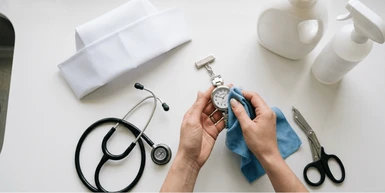
Caps are only one part of a nursing uniform that needs regular care. Badges, collars, cuffs, pins, clasps, and name tags can show wear when cleaned, stored, or handled carelessly.
- Clean Badges, Collars, and Cuffs Gently
Wipe metal or plastic badges with a soft cloth and mild soap, since harsh cleaners can dull the finish. Wash collars and cuffs with the same care as nursing caps, using spot cleaning when possible and starch only when needed. Gentle handling helps preserve both fabric and decorative details without unnecessary wear.
- Store Accessories Properly
To maintain nursing uniform accessories, keep them in a cool, dry area away from bathrooms and laundry rooms. Humidity can soften starched fabric, while prolonged sunlight can fade colors and weaken fibers. A drawer or covered box offers added protection against moisture, dust, and unnecessary exposure.
- Repair Small Issues Before They Spread
A loose seam, damaged clasp, or small tear rarely stays small once an accessory returns to regular use. Addressing these issues early can stop the damage from spreading and extend the accessory's useful life. Check pin backs, clasps, stitching, and fabric edges regularly so minor repairs do not become costly replacements.
- Rotate Your Accessories
The same cap, collar, or accessory worn every day experiences more friction, washing, and handling than pieces kept in rotation. Having two or three options gives each item time between uses and reduces repeated strain on the same fabric. Keep each piece clean before storing it so the next use starts with an accessory that is ready to wear.
- Keep Small Pieces Together
Pins, clasps, badges, and name tags are easy to scratch, misplace, or damage when they are left loose among other belongings. A small pouch, compartmented drawer, or dedicated storage box keeps these pieces organized and protected. This also makes it easier to spot missing or damaged parts before you need them for work or a special occasion.
- Choose Gentle Cleaning Products
Bleach and strong detergents can weaken fabric and affect the appearance of uniform accessories over repeated use. A mild detergent is a safer choice for many washable pieces, as long as it matches the fabric's care instructions. Avoid unnecessary chemicals and harsh scrubbing, as gentler cleaning helps preserve the uniform's appearance and useful life.
Simple Tips for Longer-Lasting Nursing Caps
Good nursing cap maintenance also means paying attention to the small details that often get overlooked during regular care.
- Wash with similar colors. Keep white caps away from darker fabrics that could transfer dye during washing.
- Remove pins first. Taking off badges and pins helps prevent snags, holes, and pressure marks in the fabric.
- Skip fabric softener. Softening products can reduce the firm finish needed for a crisp, structured cap.
- Avoid overloaded washers. Give the cap enough room to move freely and reduce unnecessary friction during the cycle.
- Clean your ironing surface. A dusty or dirty ironing board can leave marks on freshly washed white fabric.
- Fold along existing creases. Following the cap's natural folds helps preserve its intended shape during storage.
- Inspect before storing. Check for stains, loose threads, and small damage so you can address problems before the next wear.
Frequently Asked Questions
- How do you care for a nursing cap?
Wash gently or spot clean, starch if the fabric calls for it, and let it dry fully before ironing or folding it back into shape. Avoid excessive heat or rough handling, which can damage delicate materials and affect the cap’s overall appearance.
- How do you clean a nursing cap?
Treat minor marks with mild soap and a damp cloth, and only give the cap a full wash when necessary to help maintain its shape and crisp finish. Always follow any care instructions provided for the specific fabric, trim, or decorative details.
- What is the best way to store a nursing cap?
Place the cap in a dry, shaded storage area, keeping it flat or loosely folded to prevent creases, fading, and loss of stiffness. Keep it away from moisture, direct sunlight, dust, and heavy objects that could permanently distort its shape.
- How do you care for nursing uniform accessories?
Clean badges and pins with a soft cloth, wash collars and cuffs as you would a cap, and check clasps and stitching regularly. Store delicate accessories separately to prevent scratches, tangling, bending, or damage caused by contact with other items.
- How do you extend the life of nursing uniform accessories?
Rotate between a few pieces, skip bleach and harsh detergents, and fix small issues before they become bigger ones. Proper storage, gentle cleaning, and regular inspections can also help each accessory retain its appearance and function longer.
Bottom Line
A cap or a collar is never just fabric; it carries the pride of a profession that takes its appearance seriously. Learning how to care for nursing caps properly protects that history while keeping every piece ready for daily wear. A little consistency each week is really all it takes to keep a uniform looking as sharp as the person wearing it.
A well-maintained uniform deserves accessories that meet the same standard. Kay's Caps provides nursing caps and medical face masks for healthcare professionals who value a clean, professional appearance. Shop from us today and find the finishing pieces your uniform needs!